Caminito in Buenos Aires: Discover the Colorful Street-Museum of La Boca
Caminito is a charming street-museum located in Buenos Aires. Known for its vibrant color palette, this tourist destination is one of the most visited tourist attractions in the capital of Argentina. It's impossible to resist its charm, as Caminito is a classic landmark that tells a bit of the region's history and is an essential tour in any Buenos Aires itinerary.
History of Caminito
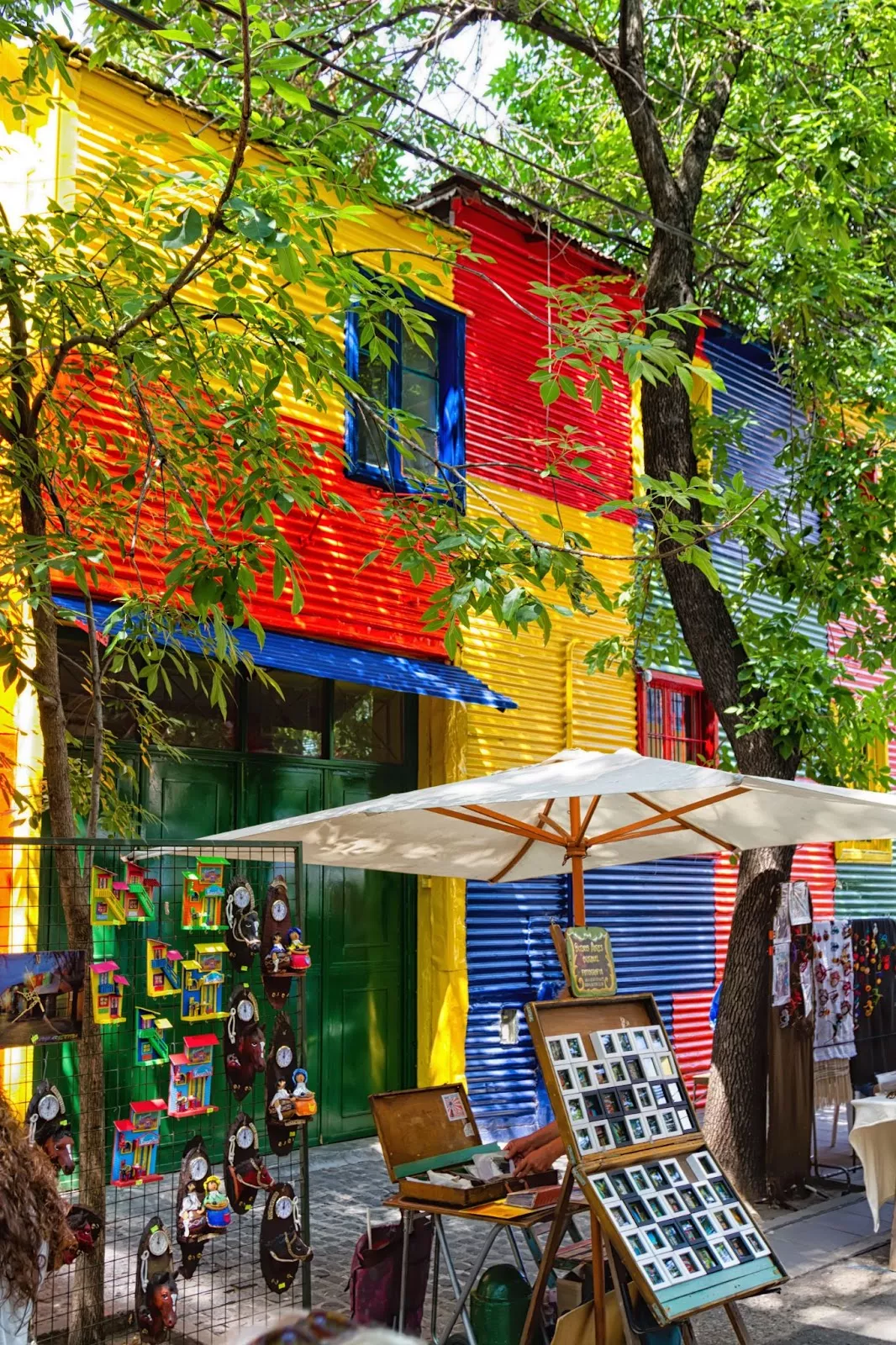
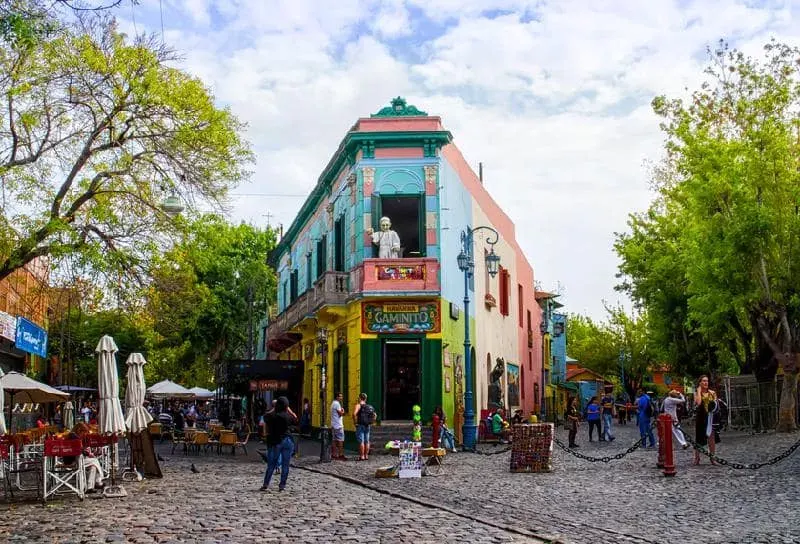
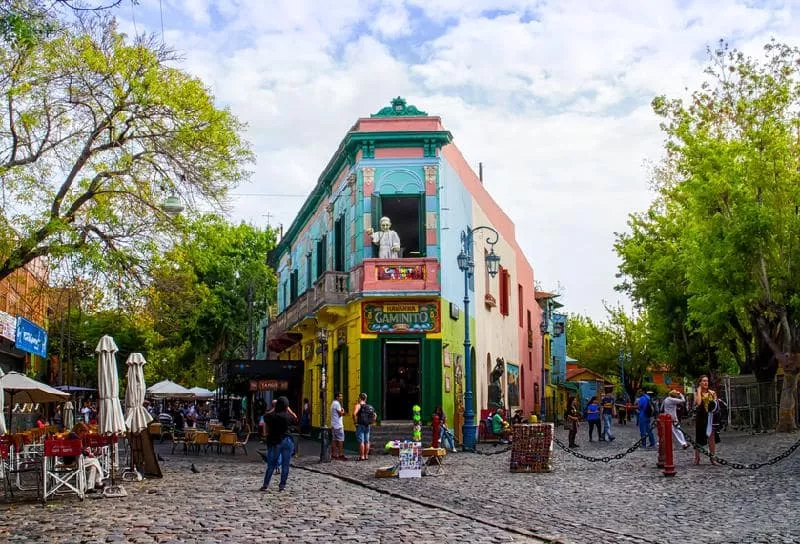
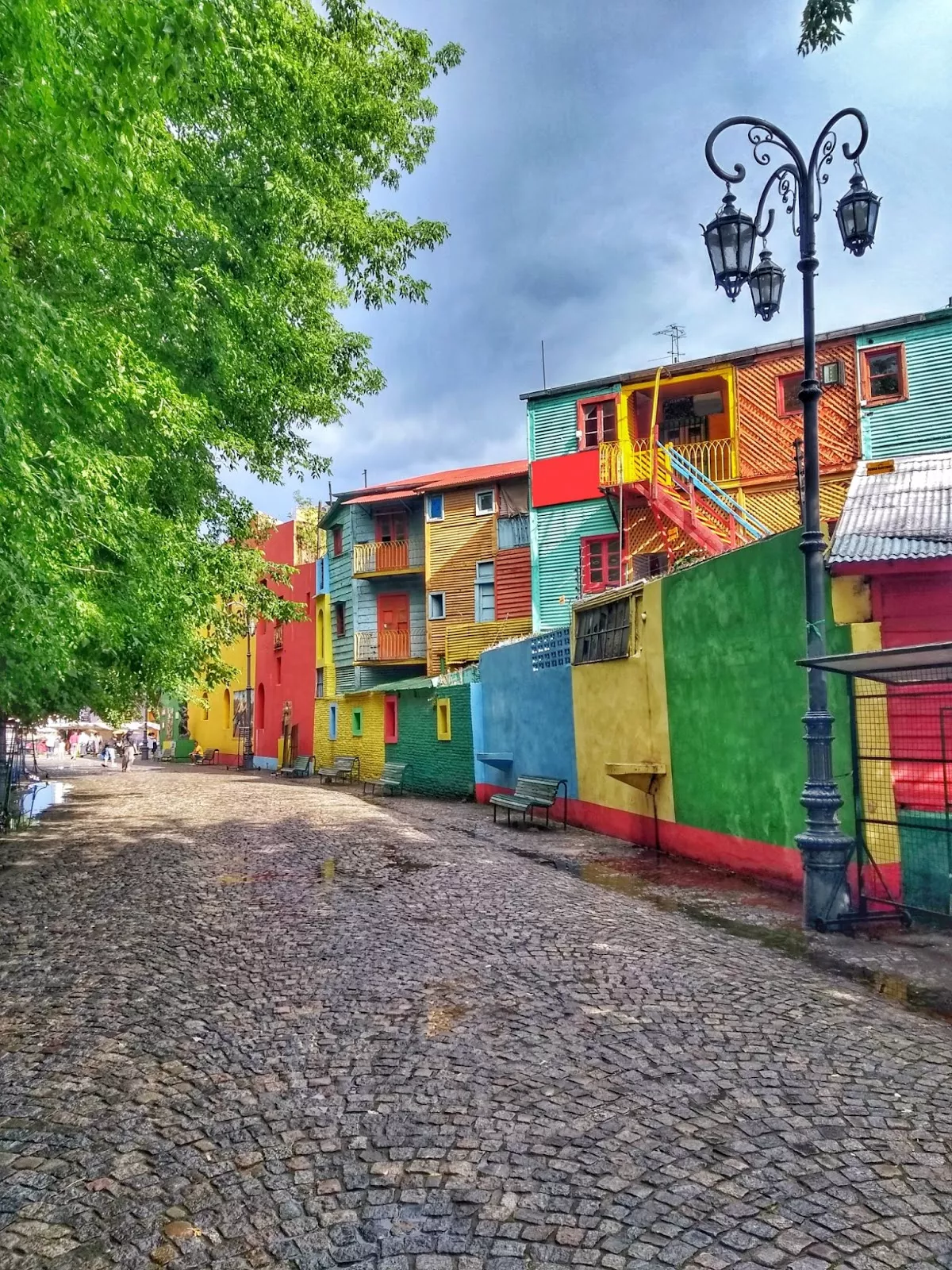
The history of Caminito in Buenos Aires is fascinating. This pedestrian street, about 150 meters long, is full of colorful houses (conventillos) decorated with works of art. The walls display many paintings and dolls adorn the environment. In addition, you will find several restaurants and craft shops. The La Boca neighborhood, where Caminito is located, was home to many immigrants, especially Italians. The football tradition is also strongly present, with the famous Boca Juniors stadium, La Bombonera, nearby.
This open-air museum has a slightly curved shape, which was the result of the presence of a nearby stream. Originally, Caminito was part of a railway line that extended to Enseada. After the line's operations ceased in 1928, the site became an abandoned alley and even a garbage dump. At that time, the street was known as "La Curva".
It was in 1950 that residents decided to unite to revitalize the site. The painter Benito Quinquela Martín also contributed to the renovation. The goal was to transform the abandoned alley into a cheerful and vibrant street. The houses, built of wood or zinc, were painted in bright colors. It is said that the paints used were leftovers from the port workshops, which resulted in the variety of colors. In addition to the cheerful painting, paintings were donated and displayed on the walls. Only in 1959 did the street receive the name "Caminito", in honor of the tango composed in 1926 by Juan de Dios Filiberto.
What to do in Caminito
Despite few people living in the area, many houses have been transformed into souvenir shops. Visitors can enjoy lunch with typical dishes in one of the restaurants available (usually open from 11 am) and enjoy the tour. Many tourists take photos in front of the shops and restaurants. In addition, you can take photos with tango dancers and watch outdoor tango show performances. At night, the place comes alive with various attractions and bars. However, it is important to avoid straying from the busy area of the street during this period to ensure safety on your trip to Buenos Aires.