Tango in Buenos Aires: Discover the Music and Culture Behind the Iconic Dance
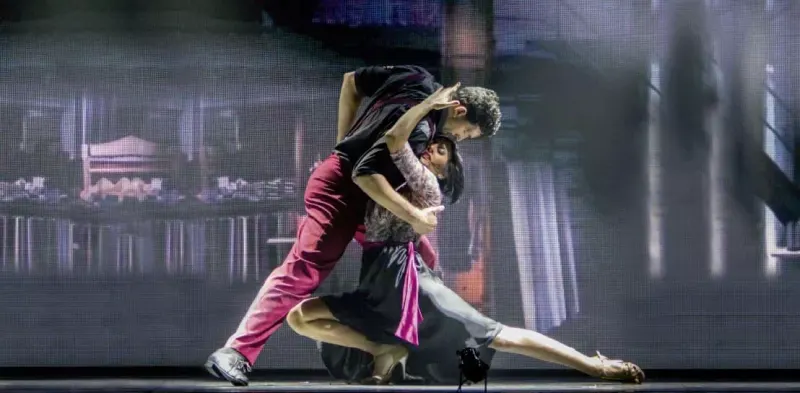
Tango is the characteristic musical style of Argentina. Its importance in the country is so significant that, in 2009, it was considered an Intangible Cultural Heritage of Humanity by UNESCO. In today's article, we'll tell a bit of the history of this genre, so you can understand how tango transcends dance, influencing music, fashion, and daily life. Discover what to do in Buenos Aires to experience this authentic tradition and prepare your travel itinerary. So, come with me!
Origin of Tango
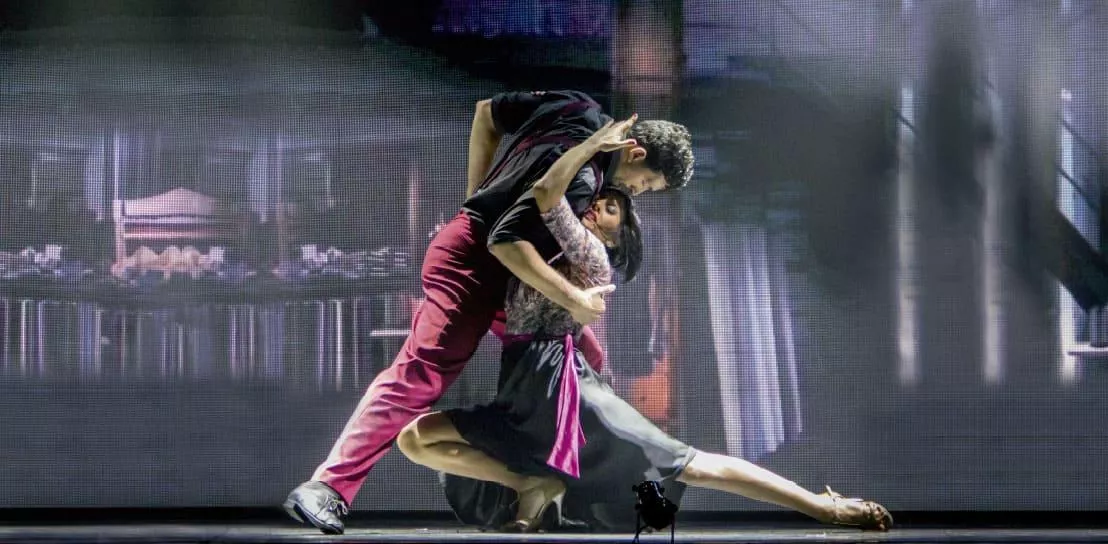
Tango originated in the late 19th century in the Río de la Plata region, encompassing not only Argentina but also Uruguay. It is the fusion of various styles from Italian, Spanish, African immigrants, and there are rumors of a possible influence from Cuban music as well. In general, Tango was spread and popularized by the lower classes of the capital, and the shows mainly took place in brothels, bars, and cafes. At that time, there was no dancing between men and women, as it was considered an insolent practice, so it was very common for men to dance with men. Only years later, women, usually prostitutes, also began to be included in this context.
The Popularization of Tango in Paris
Tango arrived on French soil, more precisely in Paris, around 1910. As France at the time was considered the cradle of world culture, the style spread very quickly to other parts of the world. It really began to be accepted by the Argentine upper class only from 1917, after this worldwide "explosion," causing the shows to also start making their presence felt in the most chic places in Buenos Aires. From then on, what was once simple began to become something more serious, due to the presence of professional and high-quality musicians.
Big Names in Tango
Among the biggest names in world Tango, we can cite Carlos Gardel and Astor Piazzolla as two great artists who took the style to another level. In his performances in France and other countries, Carlos Gardel attracted crowds to watch him, due to his talent and uniqueness. This extended until his death in 1935, when he suffered a tragic plane crash. Years later, it was Astor Piazzolla's turn to enter the scene, making a more sophisticated Tango, inserting elements of Jazz and figures like Bach and Stravinsky.
Later, due to the emergence and explosion of Rock N' Roll, Tango lost ground on the scene, becoming appreciated only by lovers. This episode occurred because younger people saw the style as "tacky," and even record labels and radio stations lost interest. In the more current scenario, what exists are reinterpretations of successes from the golden age of tango, to continue keeping the flame of this style alive in the country.
The Influence of Tango on Culture
Tango has influenced in several aspects, not only in the cultural and emotional sphere, but also in the way of living and dressing of society. In terms of fashion, even today it is possible to see traces of the style of the pieces used at the time, such as dresses with long slits, high-heeled shoes, lots of shine, and even the short haircut in women. In men, the use of suits and tuxedos is still present in the wardrobe of the porteños.
Types of Tango Shows
There are two types of Tango shows: Traditional and Broadway. The Traditional is characterized as being more singing and dancing, while Broadway is like a play. There are several show houses in Buenos Aires, and I can mention some, such as Café de los Angelitos, Piazzolla Tango, and Rojo Tango as Traditional-style houses. Señor Tango, Tango Porteño, and Madero Tango are examples of the Broadway style. Choosing between the best tango shows in Buenos Aires depends on your personal taste.
We have reached the end of another article and, now that you have learned a little about how Tango originated, who the main characters were, and what the influences of Tango were, you will only need to contact us at Guia Receptivo. We can help you choose the best option for a tango show with dinner so you can have the pleasure of living this experience on your trip to Buenos Aires.