Architectural Wonders of Buenos Aires: 10 Incredible Buildings to Admire
Walking through the streets of the capital, you can see the large number of old buildings in the city. Most of them were built in different eras and, even today, remain alive, bringing a charm and beauty that only Buenos Aires has. In today's article, we will explore the stunning architecture of Buenos Aires with our guide to the 10 most impressive buildings, which are true tourist attractions. From historic buildings to modern masterpieces, discover the details that make each structure unique and worthy of admiration on your trip to Buenos Aires.
Barolo Palace
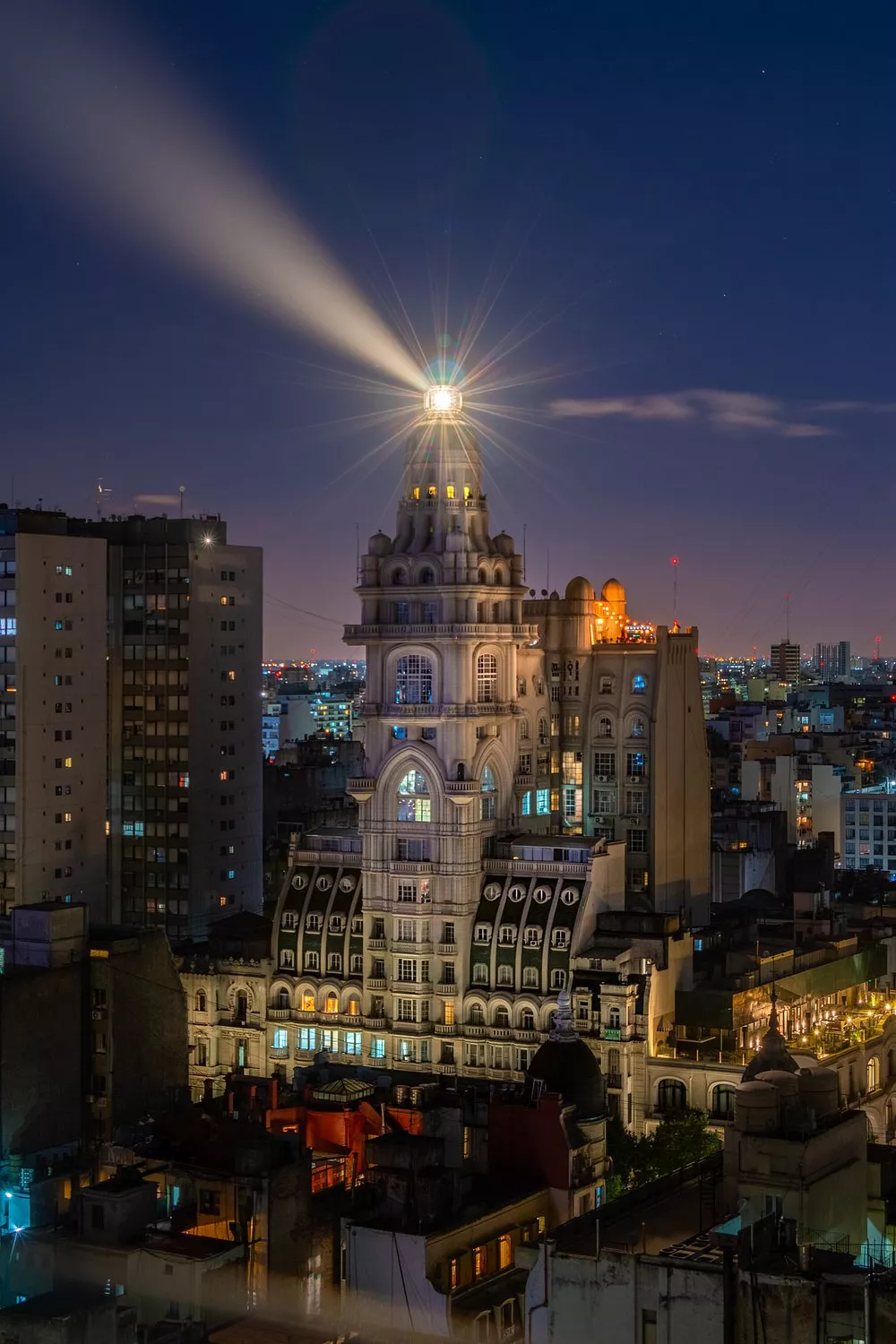
Containing a unique architecture from the neo-Gothic and neo-Romantic styles and a remnant of Indian art, the Barolo Palace is a project by architect Mario Palanti inspired by Dante's Divine Comedy, at the request of businessman Luis Barolo. It was the tallest building at the time it was built, in 1923, and today houses several commercial offices. There are also guided tours on Mondays, Wednesdays, Thursdays, Fridays, Saturdays and Sundays at specific times, and it is necessary to make a prior reservation.
Palacio Libertad (former Kirchner Cultural Center, CCK)
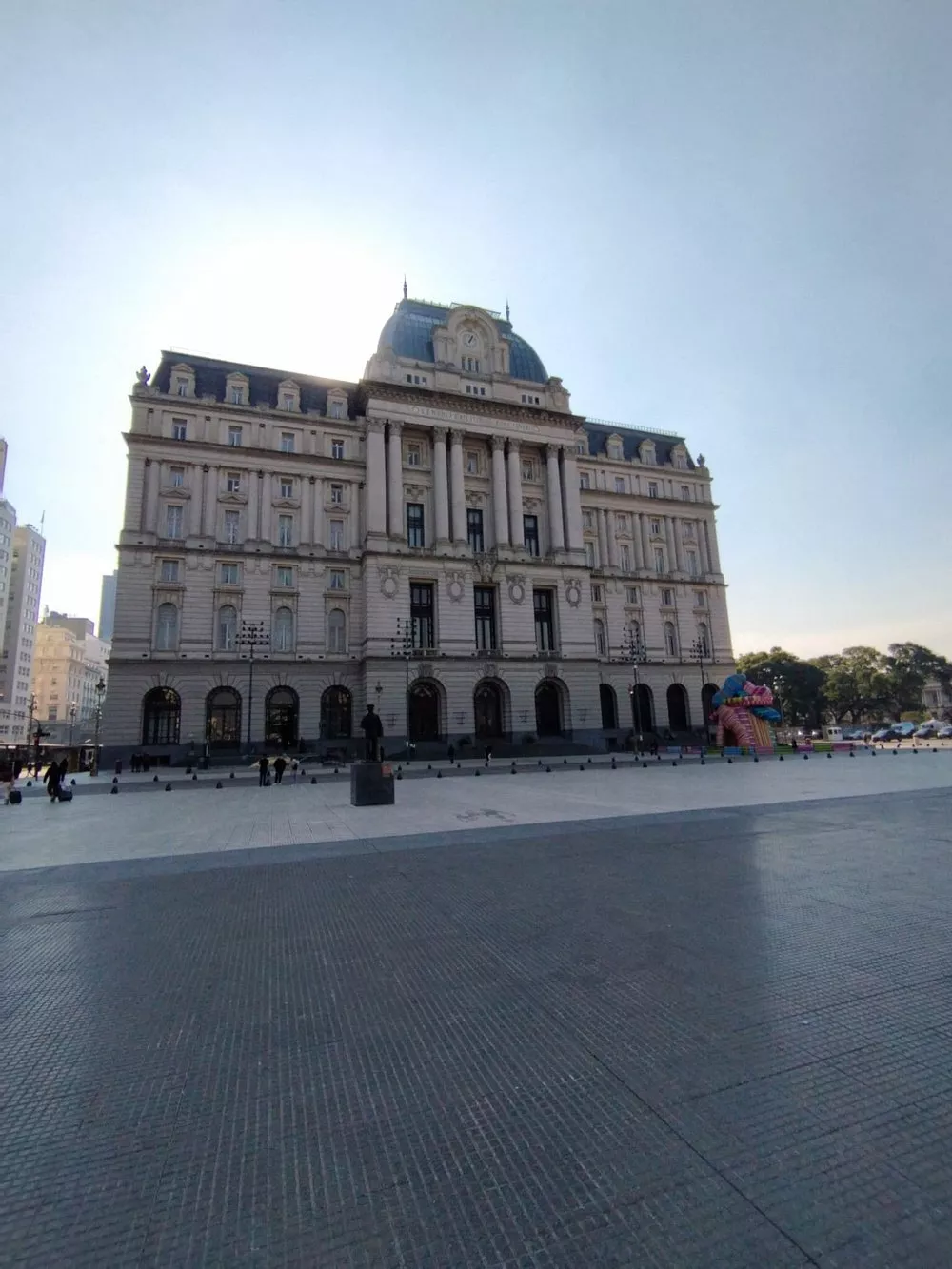
Located where the Palace of Post and Telegraph used to be, the cultural center is a space of more than 100 thousand square meters, intended for different types of events. It is considered one of the best in the world in several aspects, and its construction was commissioned to the French architect Norbert-Auguste Maillart, in 1887. It's a great tip on what to do in Buenos Aires.
Faculty of Engineering
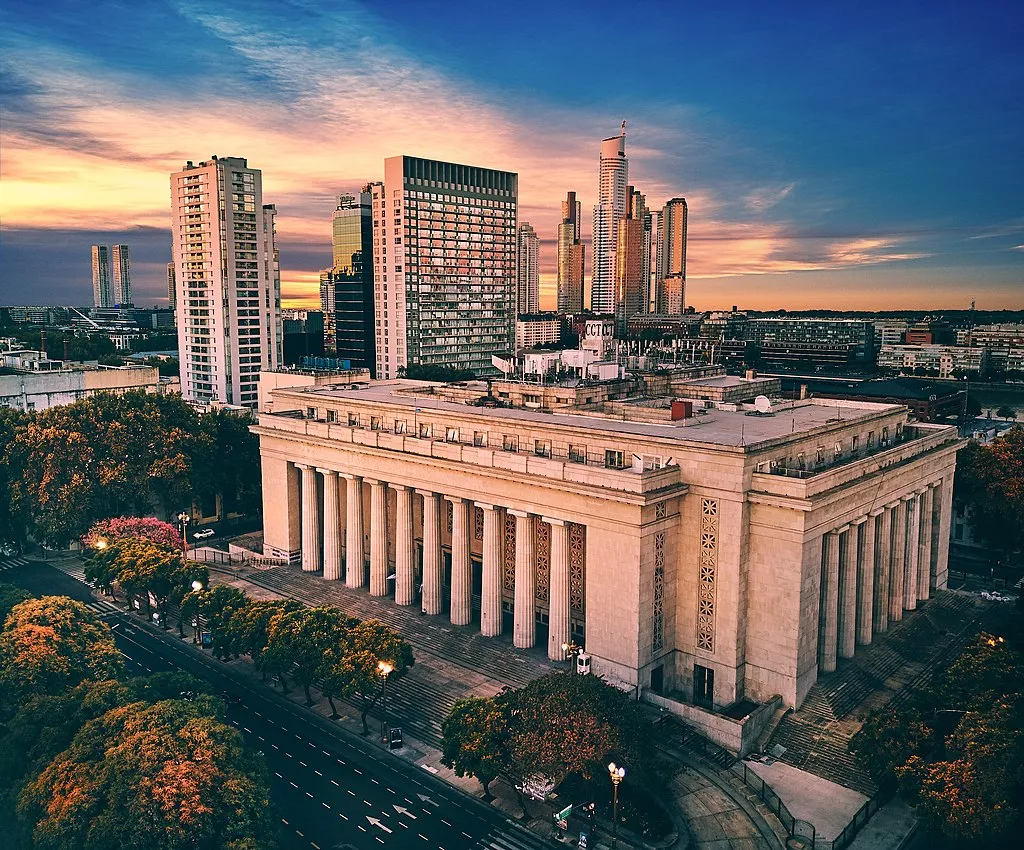
Built in the Gothic style, the Faculty of Engineering has a very different look than we are used to. It is located on Avenida Las Heras 2214 and, if you are a photography lover, you will certainly want to have a photo of this in your collection.
Kavanagh Building
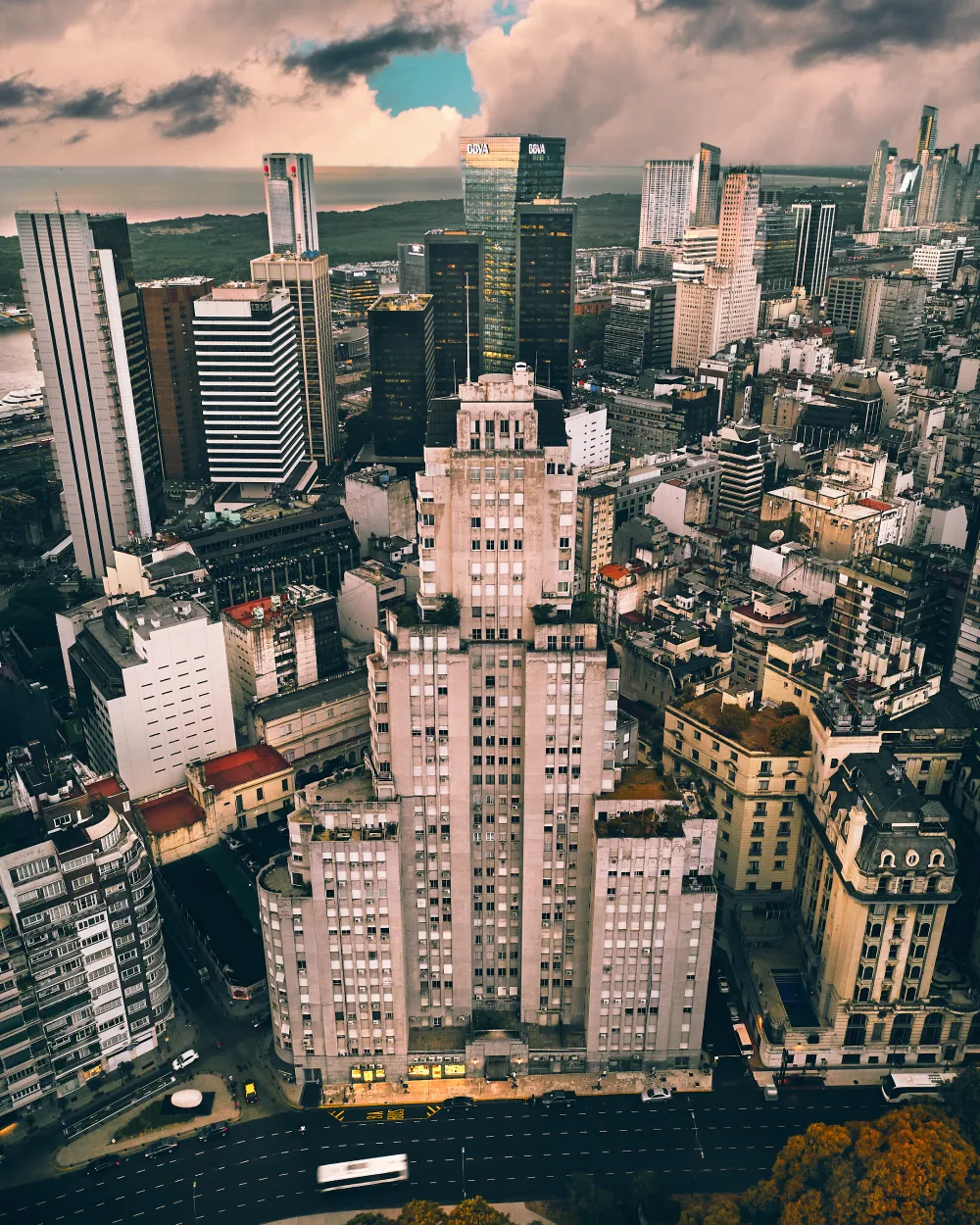
Considered an architectural symbol of Buenos Aires, this imposing building was also titled as the tallest in South America in the year of its inauguration, in 1936. Years later, more precisely in 1999, it was declared a National Historic Monument and also a World Heritage Site of Modern Architecture by UNESCO.
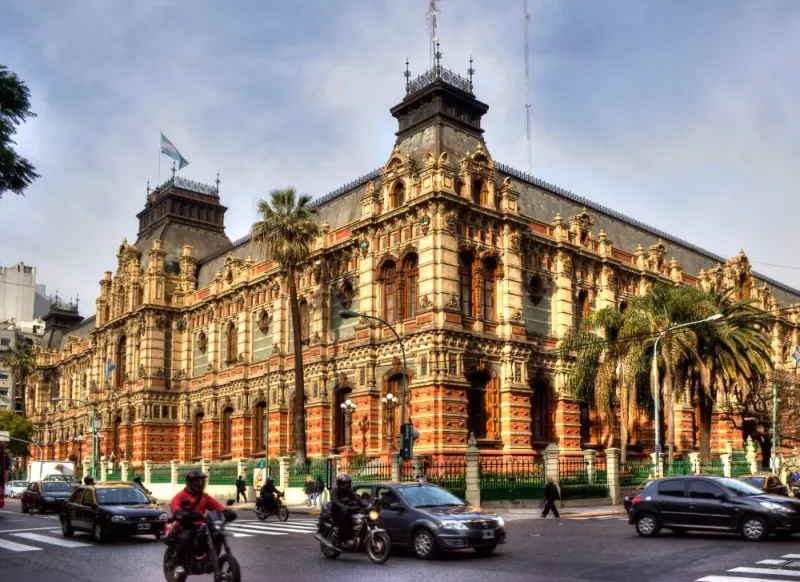
Palace of Flowing Waters
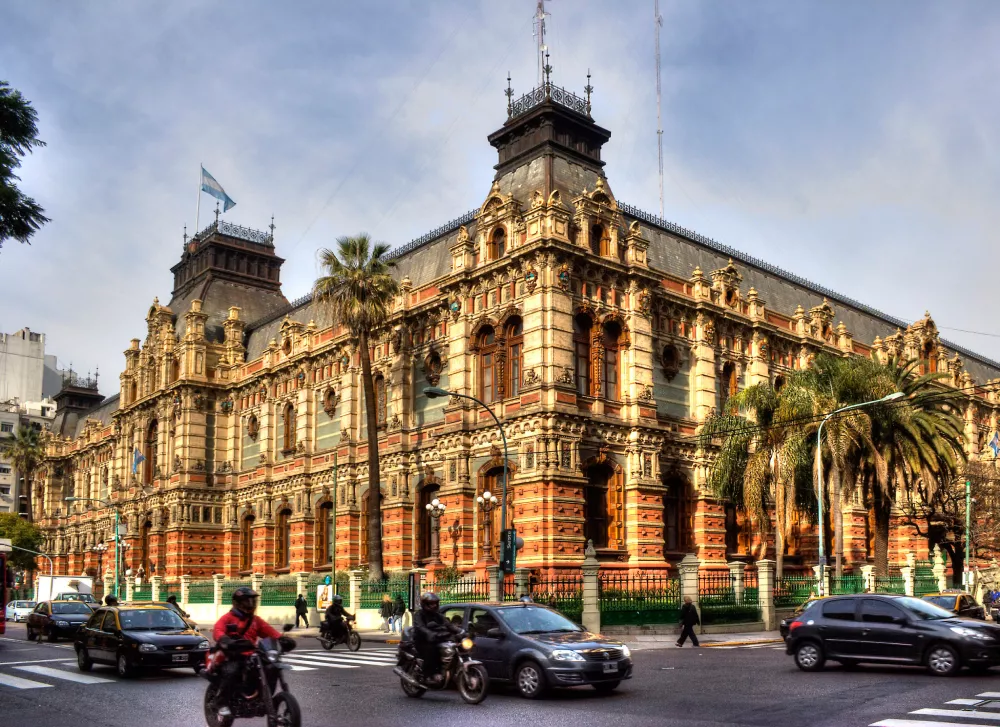
With its luxurious and exuberant appearance, the Palace of Flowing Waters demonstrates all the elegance and grandeur, characteristics that were very well accepted by the bourgeoisie of the time. Today, the place houses offices of water treatment companies, as well as a museum that tells, in detail, how the development of this sector in the country was.
Bank of the Argentine Nation
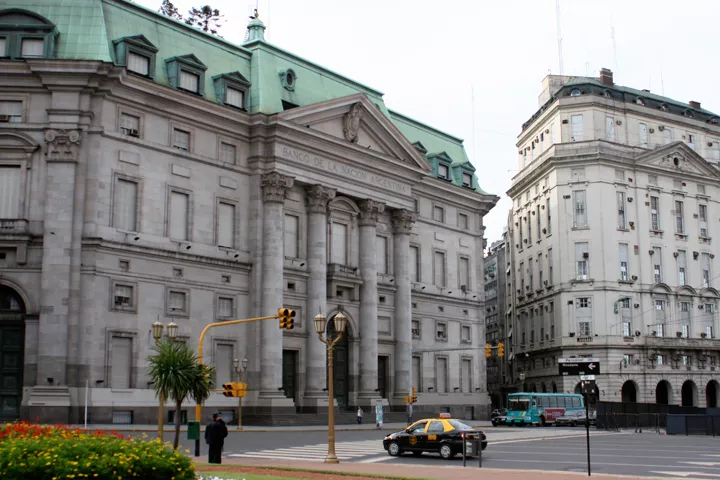
Located between Rivadavia and Reconquista avenues, in front of Plaza de Mayo, the Bank of the Argentine Nation is a classic-style building, built in marble and granite. It was an initiative of President Carlos Pellegrini in 1891, the year in which the country suffered a severe economic crisis. The bank played an important role, as it was mainly responsible for financing small farmers and, soon after, companies in various sectors, causing the country's economy to grow.
Ministry of Health Building (Building with Evita)
At 93 m high, the Ministry of Health and Social Development Building is a building owned by the State and also the stage for the main meetings of political parties. In it, the face of Evita Perón is drawn, and they say that the "sad" face of the face is pointing towards the richest area and the "happy" face towards the lower class area.
Palace of Justice (Palacio de Justicia)
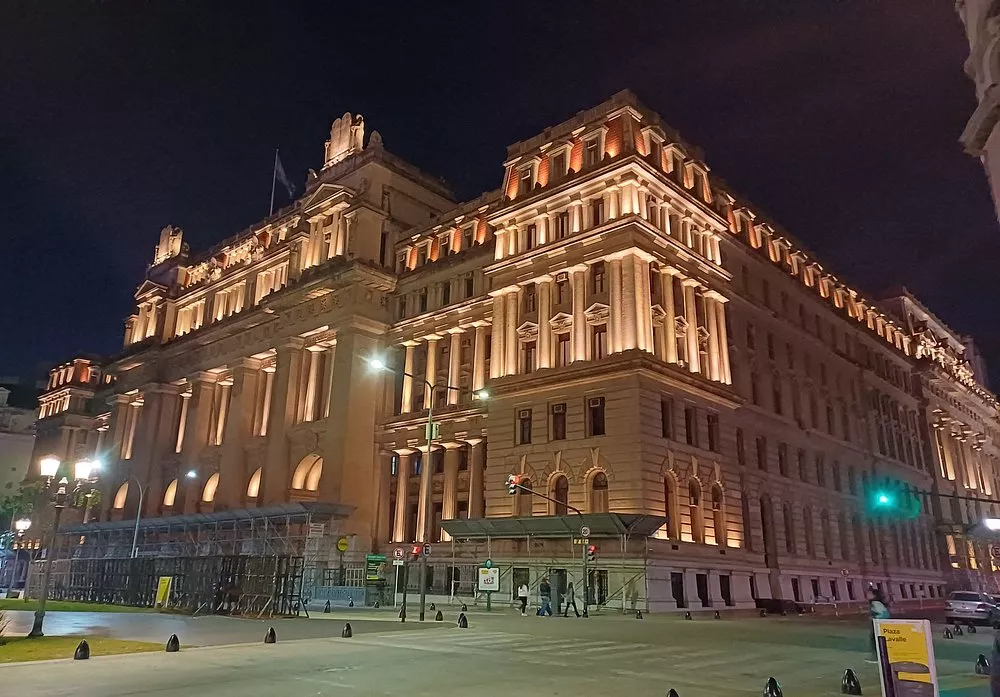
With influence from the neoclassical and Greco-Roman style, the place is the headquarters of the Supreme Court of Justice of the Nation. It is located behind the Teatro Colón, in front of Plaza Lavalle, and the person responsible for its construction was the French architect Norbert-Auguste Maillart, the same as the former Kirchner Cultural Center.
Embassy of Brazil (Pereda Palace)
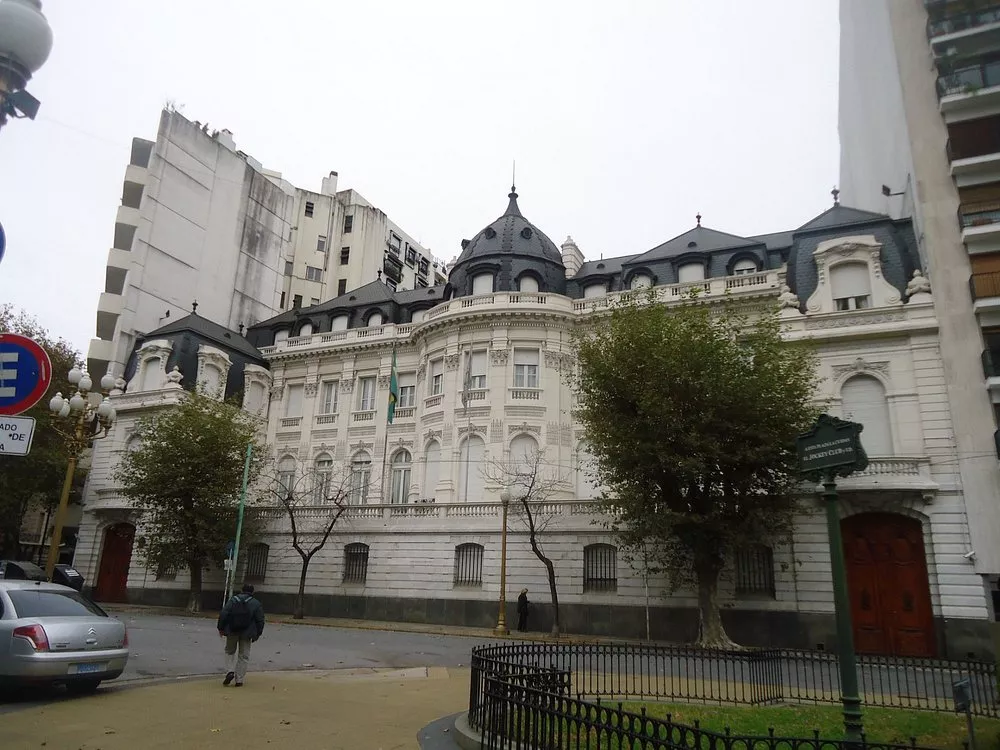
Occupying the Pereda Palace, which was a property belonging to a family from the upper class of the capital, it has traces of French architecture, at the request of its owner to the architect responsible, the Belgian Julio Dormal. The construction was based on the Jacquemart-André Museum, which is an iconic palace located in Paris.
National Congress
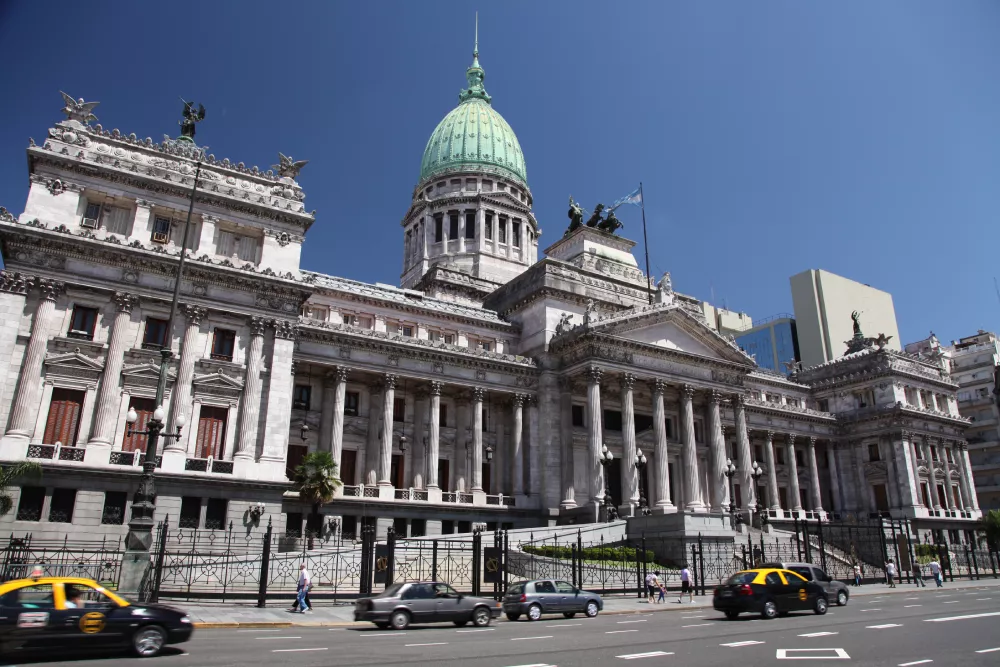
Finally, we have the National Congress, which, in my opinion, is the most surprising building in the capital. It is a work by the Italian architect Victor Meano, who spared no effort in using some striking features of Greco-Roman architecture.
We have reached the end of another article and, now that you know which are the 10 most eccentric buildings in Buenos Aires according to our team, just contact us at Guia Receptivo so we can help you include them in your itinerary in Buenos Aires.