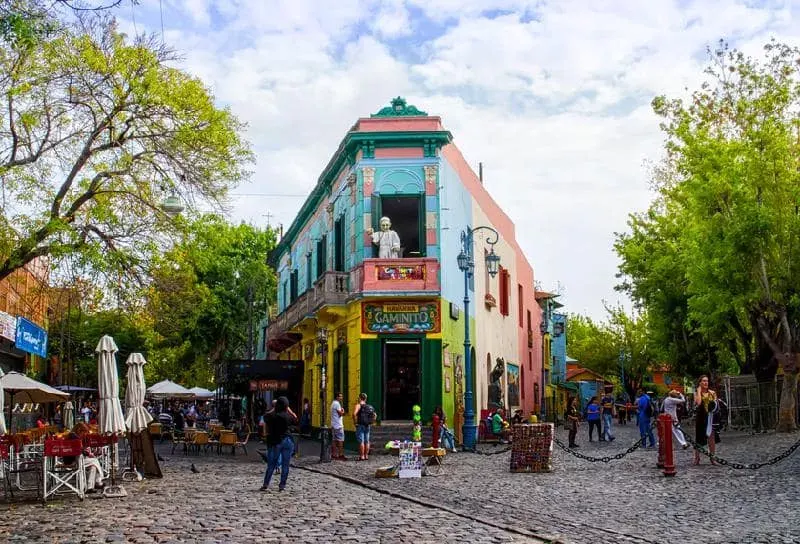
After all, what is Inbound Tourism?
The tourism sector is vast and multifaceted, with diverse segments that ensure the traveler's experience is complete and enriching. One of the fundamental pillars of this industry, which often operates behind the scenes to ensure everything runs perfectly, is Inbound Tourism. But, after all, what does it mean and what is its impact?
This article explores in depth the concept, importance, and functioning of inbound tourism, an essential engine for local economies and for creating unforgettable memories for visitors.
Definition of Inbound Tourism
Inbound Tourism refers to the set of services and activities provided in the visited destination, with the objective of welcoming, assisting, and guiding tourists who arrive from other cities, states, or countries. In essence, they are the local companies and professionals who "receive" the traveler, offering all the necessary support for their stay. This includes everything from airport transfers to guided tours, hotel and restaurant reservations, and providing local information.
Importance of Inbound Tourism for the Local Economy
The impact of inbound tourism on the economy of a destination is immense and direct. It is one of the main contributors to:
- Job and Income Generation: Creates direct jobs (guides, drivers, travel agents) and indirect jobs (in hotels, restaurants, craft shops, and other commercial activities).
- Economic Activity: The money spent by tourists on inbound services circulates locally, strengthening small and medium-sized businesses.
- Valorization of Culture and Heritage: By creating itineraries and experiences, inbound tourism promotes and helps to preserve the culture, history, and natural resources of the region.
- Infrastructure Development: The demand generated by tourists encourages investments in improvements to the local infrastructure, such as roads, airports, and sanitation, also benefiting residents.
Differences between Inbound Tourism and Outbound Tourism
It is common to confuse the two terms, but their functions are opposite and complementary:
- Inbound Tourism: Focused on receiving the tourist at the destination. Inbound agencies operate in the visited locality, organizing logistics and experiences in loco. They are the experts of the place.
- Outbound Tourism: Focused on sending the tourist to other places. Outbound agencies operate in the traveler's city of origin, selling travel packages, airline tickets, and accommodation for national or international destinations.
In short, while the outbound agency sells the dream of the trip, the inbound agency is the one who realizes it at the final destination.
Main Activities of Inbound Tourism
The services offered by inbound tourism are varied and aim to ensure the comfort and satisfaction of the visitor. Among the main ones, the following stand out:
- Transfers: Transportation of the tourist between airports, bus stations, hotels, and points of interest.
- Tours and Excursions: Organization of guided tours of the main tourist attractions, whether cultural, historical, or natural.
- Accommodation and Reservations: Assistance in booking hotels, guesthouses, and other types of accommodation.
- Tour Guides: Providing qualified professionals who speak the visitor's language and have in-depth knowledge of the region.
- Itinerary Consulting: Creation of personalized itineraries according to the traveler's profile and interests.
- Event Organization: Logistical support for congresses, fairs, and corporate events.
How Inbound Tourism Works in Argentina
Argentina is an excellent example of how inbound tourism is well structured. In popular destinations such as Buenos Aires, Bariloche, Mendoza, and El Calafate, local inbound agencies are fundamental.
Upon arriving in Buenos Aires, for example, the tourist is received at the airport by an agency that provides the transfer, offers a city tour to present the city, organizes the famous "tango show," and sells tours to the Tigre Delta. In Bariloche, local agencies set up ski itineraries in winter and lake tours in summer. This local specialization ensures that the visitor enjoys the best of each region with safety and convenience.
Challenges of Inbound Tourism
Despite its importance, the sector faces constant challenges, such as:
- Seasonality: The dependence on high and low seasons can generate financial instability.
- Informal Competition: The performance of unlicensed guides and operators can compromise the quality and safety of services.
- Professional Qualification: The need for qualified and bilingual labor is a constant challenge.
- Sustainability: Balancing the growth of tourism with environmental and cultural preservation is fundamental for the longevity of the destination.
The Role of Inbound Tourism Agencies
Inbound tourism agencies are the heart of this operation. They function as ambassadors of the destination, holding an in-depth knowledge that no agency of origin can have. Their role is to translate local attractions into tourist products, negotiate with suppliers (hotels, restaurants, transportation companies), and ensure that the execution of the trip is impeccable. They are the safe and reliable bridge between the tourist and the destination.
Examples of Destinations that Stand Out in Inbound Tourism
In Brazil
Foz do Iguaçu (PR), with a robust structure to receive tourists from all over the world interested in the Falls, and Bonito (MS), a reference in ecotourism with a centralized voucher system.
In the World
Cancún (Mexico), with a vast network of resorts and operators that offer tours to the Mayan archaeological sites and cenotes. Queenstown (New Zealand), known as the world capital of adventure sports, with numerous specialized local companies.
Tips to Make the Most of Inbound Tourism
- Research in Advance: Search for inbound agencies in your destination with good online reviews.
- Hire Essential Services: Guarantee at least the arrival transfer to avoid inconvenience after a long flight.
- Ask for Recommendations: Use the knowledge of the guide or local agent to discover restaurants and attractions outside the traditional tourist circuit.
- Check Legality: Make sure that the agency and guides are accredited by local tourism bodies.
- Personalize your Itinerary: Talk to the agency to adapt the tours to your interests and pace.
Conclusion and Future Perspectives for Inbound Tourism
Inbound Tourism is much more than a simple support service; it is the soul of the tourist experience in a destination. It is what transforms a simple visit into a cultural, safe, and memorable immersion.
The future perspectives for the sector point to a growing appreciation of authentic and sustainable experiences. Technology will also play an increasingly important role, with online platforms facilitating the connection between tourists and local operators. However, the human touch, the in-depth knowledge, and the hospitality, trademarks of good inbound tourism, will continue to be its greatest differentiator. Investing in and valuing this sector is guaranteeing the prosperous and sustainable future of tourism in any locality.